What Is a Super-Automatic Espresso Machine?
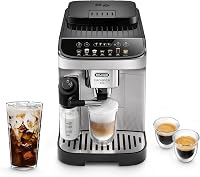
A super-automatic espresso machine is a coffee maker that grinds beans, doses and tamps the grounds, and brews at a button press. Milk preparation can be manual or automatic; you still refill and clean the machine.
On this page (8 sections)
- What is a super automatic espresso machine, and how does it work?
- How does it differ from a semi-automatic espresso machine?
- How should you choose a super-automatic machine for home?
- Which of these machines fits your coffee routine?
- What should you do before brewing your first cup?
- What cleaning does a super-automatic espresso machine need?
- Which common mistakes should you avoid?
- Is a super-automatic espresso machine right for you?
A super-automatic espresso machine is a coffee maker that grinds beans, doses and tamps the grounds, and brews at a button press. It suits people who want fresh-ground coffee without preparing a portafilter for every cup.
“Super-automatic” describes coffee preparation, not a machine that does every job. Milk may still need manual frothing, and you'll handle refills, waste, and cleaning.
What is a super automatic espresso machine, and how does it work?
A super-automatic espresso machine combines a grinder and an automatic brewing unit in one appliance. You choose a drink, and it handles the steps that turn whole beans into brewed coffee.
A typical cycle follows this order:
- The grinder prepares a dose of beans.
- The brew group gathers and compresses the grounds.
- Hot water passes through the coffee into your cup.
- The used coffee puck moves into a waste container.
Available controls may include strength, drink volume, and grind size. These settings change the result, so automatic brewing still leaves room to adjust your coffee.
Is every bean-to-cup coffee machine a super-automatic espresso machine?
The terms overlap, but “bean to cup” is broader. It describes the path from whole beans to a finished drink, while “super-automatic” describes how much espresso preparation happens inside the machine.
Look beyond the name to the brewing method and milk system. An espresso machine with a manual milk frother can still automate the entire coffee-brewing cycle.
How does it differ from a semi-automatic espresso machine?
A super-automatic machine takes over grinding, dosing, and tamping; a semi-automatic setup generally leaves those tasks to you. That changes both your morning routine and the control you have over each shot.
With a semi-automatic machine, you can work directly with the coffee dose, puck preparation, and shot timing. That suits someone who enjoys learning espresso technique and making small changes between cups.
Choose a super-automatic if you'd rather select a drink than prepare each shot. Its built-in process offers fewer manual tasks, but it also gives you less direct control over extraction.
Our guide to super-automatic vs. semi-automatic espresso machines explains which approach fits different coffee habits.
How should you choose a super-automatic machine for home?
Start with your usual drink, milk routine, and available space. A long recipe menu adds little if you mostly make black coffee, while daily cappuccino drinkers should pay close attention to milk preparation.
Write down what your household actually drinks during a normal week. Separate espresso and black coffee from milk drinks, then choose controls that make those drinks easy to prepare.
Check how easily you can reach the water tank, bean hopper, drip tray, and grounds container. Leave room to open lids and remove parts, rather than measuring only the machine's closed footprint.
Think about repeated use, too. A shared machine needs settings that everyone can understand and a cleaning routine someone will reliably follow.
For a broader comparison of features, use our complete super-automatic espresso machine buyer guide.
Which of these machines fits your coffee routine?
Choose the Philips 2200 for simple coffee choices, the Magnifica Start for a dedicated Americano recipe, or the Philips 3200 LatteGo for automatic milk preparation. The key difference is how much work remains after you brew the coffee.
Philips 2200 Series: for black coffee and occasional milk drinks
The Philips 2200 suits someone who wants espresso or coffee most days and is willing to froth milk separately. Its classic frother also handles plant-based alternatives.
You can adjust drink strength and volume through its touch display, and it includes a hot-water selection. Those controls suit a household that wants a few familiar drinks without a large menu.
Skip it if your main goal is a cappuccino prepared through an automatic milk system. You'll need to steam or foam the milk yourself and combine it with the coffee.
De'Longhi Magnifica Start: for Americano drinkers who want manual frothing
The Magnifica Start suits someone who wants espresso, coffee, and a dedicated Americano recipe on the control panel. Its conical burr grinder has 13 grind settings, and drink intensity is adjustable.
That gives you ways to adapt your coffee as you change beans. Make small adjustments rather than assuming the finest grind will produce the best drink.
Its manual frother fits occasional lattes or cappuccinos when you want to prepare the foam yourself. Skip this model if automatic milk preparation is the reason you're replacing your current coffee setup.
Philips 3200 LatteGo: for regular cappuccino and latte macchiato drinkers
The Philips 3200 LatteGo suits someone who wants automatic milk preparation for frequent milk drinks. Its menu includes espresso, coffee, Americano, cappuccino, and latte macchiato.
The LatteGo milk system has 2 parts and no tubes or hidden parts. You can clean those milk parts under the tap or in the dishwasher, which gives daily milk users a clear cleanup routine.
Skip it if you mainly drink black coffee and won't use the milk system. Choose a manual frother instead if learning to steam and shape milk foam is part of the appeal.
For more choices built around milk preparation, see our guide to automatic espresso machines with milk frothers.
What should you do before brewing your first cup?
Set up the water system and complete the initial rinse before adjusting the coffee. Follow the manual's startup sequence, including any water-hardness setting or filter preparation it requires.
Place the machine on a level counter with enough clearance for refills and cleaning. Put a container under the outlets during startup rinsing so the drip tray doesn't fill unnecessarily.
Choose beans that suit the machine's instructions and your taste. Our guide to coffee beans for super-automatic espresso machines helps narrow that choice.
Begin with the default settings and a familiar drink size. Taste the result before changing strength, volume, or grind, and change only one setting at a time.
Follow the manual when adjusting the grinder, including whether it must be running. Grind changes may take several drinks to show fully because some previously ground coffee remains inside.
What cleaning does a super-automatic espresso machine need?
You'll still need to remove coffee waste, clean milk parts, and manage scale. Automatic rinse cycles help with routine flushing, but they don't empty containers or remove every residue.
Empty the grounds container and drip tray as prompted, and wash them as directed. Rinse water can collect in the tray even when none of your coffee spills.
Clean milk-contact parts after use according to the manual. Don't leave milk residue sitting in a frother or assume a quick exterior wipe cleans its internal passages.
Both Philips models here have removable brew groups that can be rinsed under the tap. The Magnifica Start has removable, dishwasher-safe parts, but follow its manual to identify the correct components.
The Philips models also use AquaClean filters. Philips says replacing the filter when prompted can allow up to 5,000 cups before descaling; that doesn't remove the need for other cleaning.
Use the correct cleaning products and follow descaling prompts. For detailed routines, see cleaning a De'Longhi Magnifica and cleaning a Philips 3200 espresso machine.
Which common mistakes should you avoid?
Avoid buying for unused recipes or changing several settings at once. Those habits can leave you with extra equipment to clean and no clear idea why your coffee tastes different.
- Assuming milk is automatic. Check for a manual frother versus an automatic milk system before choosing.
- Making an espresso much longer to fill a mug. A larger extraction changes flavor; try a coffee or Americano recipe when available.
- Changing grind, strength, and volume together. Adjust one setting, make a few drinks, and compare.
- Ignoring access around the machine. Leave space to fill beans and water and remove cleaning parts.
- Treating a filter as complete maintenance. Filters don't remove milk residue, coffee oils, or used grounds.
If you want help matching these details to your kitchen, read our guide to choosing an automatic espresso machine for home.
Is a super-automatic espresso machine right for you?
A super-automatic espresso machine is the right choice if you want to spend less time preparing each coffee and will keep up with cleaning. Choose a semi-automatic setup if controlling the shot is part of what you enjoy.
Pick the Philips 2200 for a simple coffee menu with occasional manual milk frothing. Pick the Magnifica Start if Americano is a regular order, or the Philips 3200 LatteGo if automatic milk drinks matter most.
Before choosing features, decide which task you most want to remove from your morning. Our guide to whether a super-automatic espresso machine is worth it helps weigh that convenience against the care it still needs.
For the full set of buying choices, return to our super-automatic espresso machine buyer guide.
Frequently asked questions
What is a super-automatic espresso machine?
A super-automatic espresso machine grinds whole beans, doses and tamps the grounds, and brews coffee after you select a drink; milk preparation may use a manual frother or an automatic system, depending on the model. You still add beans and water, empty waste, and clean the machine.
Is a super-automatic espresso machine the same as bean to cup?
The terms often overlap, but bean to cup is a broader description of turning whole beans into a finished drink; super-automatic describes how much espresso preparation the machine handles. Check the brewing method and milk system rather than assuming every machine called bean to cup works the same way.
Do super-automatic espresso machines make milk drinks?
Many make milk drinks, but the amount of work varies; a manual frother requires you to steam or foam milk and combine it with coffee. An automatic milk system handles more of that process; choose around your usual drink and how much milk cleanup you'll do each day.
Do you still need to clean a super-automatic espresso machine?
Yes, automatic brewing still leaves coffee grounds, rinse water, and milk residue to remove. Empty the grounds container and drip tray, clean milk parts after use, and rinse removable components as directed; follow cleaning and descaling prompts; a water filter doesn't replace the rest of the care routine.