10 Best Automatic Espresso Machines Under $1,000 (October 2026)
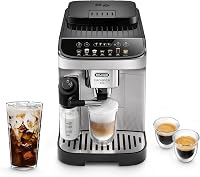
The best best automatic espresso machines under 1000 dollars include the De'Longhi Magnifica Evo for everyday milk drinks, the De'Longhi Magnifica Duo for mixed coffee households, and the Philips 3200 LatteGo for easy milk cleanup.
On this page (7 sections)
- Which is the best automatic espresso machine under 1000 dollars?
- How should you compare automatic espresso machines?
- What should you check before bringing a machine home?
- How do you set up an automatic espresso machine for better coffee?
- What care does an automatic espresso machine need?
- Which mistakes should you avoid with a bean-to-cup machine?
- Which best automatic espresso machine under 1000 should you buy?
The De'Longhi Magnifica Evo is our pick for the best automatic espresso machine under 1000 dollars because it covers everyday coffee and automatic milk drinks without a sprawling menu. Choose by your usual drink first, then decide how much milk preparation and cleanup you want to handle.
The Magnifica Duo is the stronger match for a household that wants several brewing styles. Philips 3200 LatteGo suits familiar hot drinks and buyers who want few milk parts to wash.
These machines handle grinding and brewing, but milk preparation differs across the group. Our super-automatic espresso machine buyer guide explains the workflow if this will be your first bean-to-cup brewer.
Our picks at a glance
-
1
-
2

-
3

Which is the best automatic espresso machine under 1000 dollars?
The Magnifica Evo is the best starting point for everyday use, while the other picks solve more specific needs. Narrow the group by your milk routine, interest in cold drinks and need for saved preferences.
The order reflects overall fit for this search. A lower-ranked machine can still be the right choice when its particular controls match your routine.
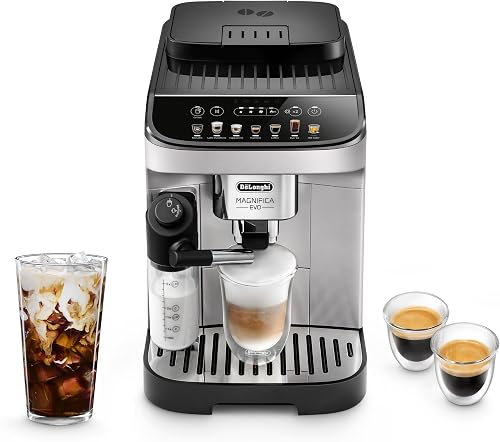
De'Longhi Magnifica Evo
- 7 one-touch or customized recipes
- 13 grind settings
- LatteCrema milk system
- Removable dishwasher-safe parts
The Evo suits a daily mix of black coffee, cappuccino and iced coffee without a long specialty menu. My Latte lets you save a personal recipe.
Pros
- Automatic milk preparation with dairy or milk alternatives
- Personalize and save My Latte
- Milk carafe can be stored in the fridge
Cons
- Less brewing variety than the Magnifica Duo
- Over Ice recipe is different from cold extraction
The Evo suits someone who wants an espresso before work, a cappuccino later and an occasional iced coffee. Its 7 one-touch or customized recipes cover those uses, along with coffee, latte macchiato, hot water and My Latte.
The conical burr grinder has 13 settings, and My Latte lets you personalize and save a recipe. That combination suits a buyer who wants room to adjust a favorite drink without managing many saved household preferences.
LatteCrema prepares dairy milk or milk alternatives automatically, and the carafe can go in the fridge between uses. Refrigeration helps with storage, but it doesn't replace cleaning the milk components.
Choose the Evo for daily automatic milk drinks alongside black coffee. Skip it for the Duo if cold brew matters, or consider a manual-frother model if milk drinks are only an occasional treat.
De'Longhi Magnifica Duo
- 20 preset hot and iced recipes
- Espresso, drip coffee and cold brew technologies
- LatteCrema Hot and Cool
- Removable dishwasher-safe milk components
The Duo suits a home where espresso, drip coffee and cold brew all belong on the menu. Its hot and cool milk systems also cover warm and chilled foam.
Pros
- Separate brewing technologies for different coffee styles
- Hot and cold foam with dairy or plant-based milk
- Removable dishwasher-safe milk components
Cons
- Broad menu adds little for an espresso-only buyer
- Hot and cool milk components need storage and care
The Duo is the clearest fit for a home where people disagree about what coffee should be. Its 20 presets use separate brewing technologies for espresso, drip coffee and cold brew, rather than asking everyone to choose an espresso-based drink.
LatteCrema Hot and Cool also provide hot or cold foam with dairy milk and plant-based alternatives. That makes the Duo especially useful if iced lattes are part of your regular routine, rather than a rare summer drink.
De'Longhi says its Cold Extraction Technology prepares cold brew in under 3 minutes. Choose it for that specific drink style instead of assuming any machine with an iced button offers the same process.
Skip the Duo if you make the same hot cappuccino every morning. You would be maintaining and storing milk components for a range of drinks you rarely use.
Philips 3200 LatteGo
- 5 coffee varieties
- LatteGo has 2 parts and no tubes
- Intuitive touch display
- AquaClean filter
The 3200 suits people who rotate among familiar hot drinks and want few milk parts to wash. Its removable brew group also allows separate rinsing.
Pros
- Milk system has only 2 parts
- Includes Americano and automatic milk drinks
- Removable brew group
Cons
- No dedicated iced coffee among its 5 varieties
- Shorter drink menu than newer LatteGo options here
The Philips 3200 LatteGo suits people who want familiar hot drinks and a milk system that comes apart simply. Its 5 coffee varieties are espresso, coffee, Americano, cappuccino and latte macchiato.
LatteGo has 2 parts with no tubes or hidden parts, and you can rinse it or use the dishwasher. The removable brew group gives you separate access for rinsing coffee residue from the brewing assembly.
This is a practical choice if cleaning fiddly milk parts would put you off making cappuccino. Keep a place near the sink for the detached pieces so washing and drying them becomes part of the routine.
Skip the 3200 if a dedicated iced recipe is essential. For the choice between automatic milk and a manual frother, the Philips 2200 vs 3200 guide explains the main tradeoff.
Philips 5500 LatteGo
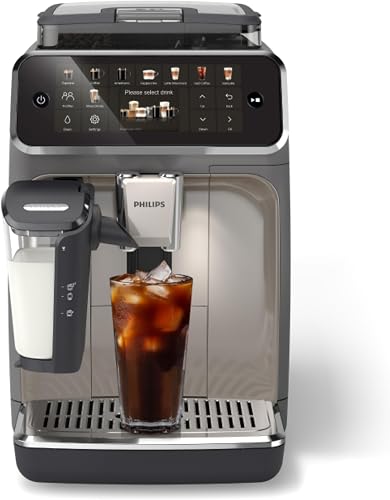
- 20 presets
- Adjustable strength, volume and milk preferences
- Saved drink profiles
- LatteGo has 3 parts and no internal tubes
The 5500 suits people who want to move beyond a few regular drinks while keeping automatic milk preparation. Saved profiles let you return to preferred settings.
Pros
- Hot and iced drink options
- QuickStart and SilentBrew features
- Dishwasher-safe LatteGo parts
Cons
- Long menu adds little if you rarely change drinks
- Iced presets should not be confused with cold extraction
The Philips 5500 LatteGo suits a buyer who enjoys changing drinks and saving preferred settings. Its 20 presets span hot and iced options, with adjustments for strength, volume and milk preferences.
Saved profiles help you return to a recipe after someone else uses the machine. Start by saving a familiar drink, then change one control at a time so you can identify what improves the cup.
The 3-part LatteGo system has no internal tubes or hidden compartments and is dishwasher-safe. Philips also includes QuickStart and SilentBrew, with a claim of quieter operation than earlier models.
Choose the 5500 if variety and personalization will get regular use. Skip it if your routine is one cappuccino and nothing else, or choose the Duo if you specifically want cold extraction and cool milk foam.
Philips 3300 LatteGo

- 6 presets, including iced coffee
- Adjustable strength, volume and milk level
- LatteGo has 3 parts and no internal tubes
- AquaClean filter
The 3300 suits a mostly hot-drink routine with iced coffee in the mix. Its shorter menu still includes automatic cappuccino and latte macchiato.
Pros
- Dedicated iced coffee preset
- Adjustable milk level
- Removable brew group
Cons
- Less drink variety than the 4400 and 5500
- Cold brew is not among its presets
The Philips 3300 LatteGo suits someone who wants ordinary daily drinks plus an iced option. Its 6 presets cover espresso, coffee, iced coffee, cappuccino, latte macchiato and hot water.
You can adjust strength, volume and milk level without choosing from a large specialty menu. For someone who alternates between black coffee and a milky drink, those controls offer useful changes within a small set of recipes.
Its LatteGo assembly has 3 parts with no internal tubes, and the brew group is removable. Plan to clean both milk residue and coffee residue, since washing one assembly doesn't care for the other.
Choose the 3300 for a focused hot-and-iced routine. Skip it if you want cold brew or separate saved household preferences; the 4400 is the more direct option here for two saved profiles.
De'Longhi Magnifica Start

- 3 one-touch recipes
- 13 grind settings
- Manual milk frother
- Removable dishwasher-safe parts
The Start suits black-coffee drinkers who want to make a latte now and then. Brewing is automatic, while milk frothing stays under your control.
Pros
- Dedicated Americano recipe
- Manual frother supports milk alternatives
- Removable dishwasher-safe parts
Cons
- Milk drinks require a separate manual step
- No dedicated iced recipe in its one-touch menu
The Magnifica Start suits a mostly black-coffee routine with an occasional homemade latte. Its 3 one-touch recipes are espresso, coffee and Americano, with adjustable intensity.
A conical burr grinder offers 13 grind settings, while the manual frother leaves milk preparation to you. That split makes sense if you want automatic brewing but enjoy deciding when and how much milk to froth.
For an occasional milk drink, prepare only what you need and clean the frother promptly afterward. Manual frothing adds a separate step, so allow for that if several people want cappuccino at once.
Choose the Start if Americano is a regular order and automatic milk preparation isn't essential. Skip it if you expect a complete latte from one button, since the milk step remains your job.
Philips 4400 LatteGo
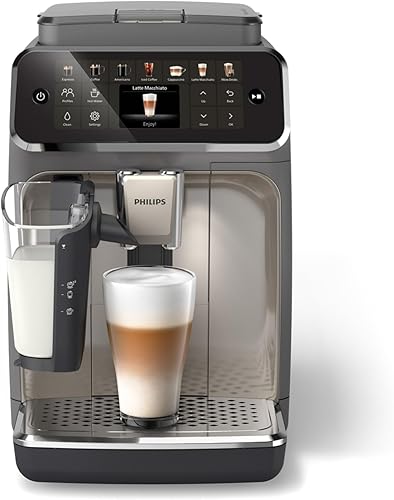
- 12 presets
- Adjustable strength, volume and milk level
- Up to 2 saved profiles
- LatteGo has 3 parts and no internal tubes
The 4400 suits two people who want separate saved preferences and a mix of hot and iced drinks. Its menu sits between the shorter 3300 and broader 5500.
Pros
- Hot and iced drink choices
- Up to 2 saved profiles
- QuickStart and SilentBrew features
Cons
- Two profiles may not cover a larger household
- Less recipe variety than the 5500
The Philips 4400 LatteGo is a useful match for two coffee drinkers with different preferences. It offers 12 presets and up to 2 profiles, with controls for strength, volume and milk level.
Give each person a profile rather than repeatedly changing the same drink. That saves the small daily annoyance of restoring a stronger coffee after someone else makes a larger, milkier cup.
The machine includes hot and iced choices, QuickStart and SilentBrew. Philips says the sound shielding and quiet grinding reduce noise compared with earlier models, though brewing still involves a grinder and moving water.
Choose the 4400 if two saved preferences and a middle-sized menu meet your needs. Skip it for a larger household that wants a separate profile for everyone, or for the 3300 if you don't need saved preferences.
Philips 2200 Series

- Espresso, coffee and hot water
- Classic milk frother
- Adjustable beverage strength and volume
- Removable brew group
The 2200 suits a regular espresso or coffee routine with manual milk preparation when needed. Strength and volume controls let you adjust your daily cup.
Pros
- Short, familiar drink menu
- Adjustable strength and volume
- Removable brew group
Cons
- No automatic cappuccino or latte recipe
- No dedicated iced option in its preset menu
The Philips 2200 Series suits someone who mainly drinks espresso or coffee and wants milk frothing available on the side. Its menu covers espresso, coffee and hot water, with adjustable strength and volume.
The classic frother handles dairy milk and plant-based alternatives, but you prepare and add the milk yourself. That is a sensible arrangement when your usual cup is black and a cappuccino is a weekend choice.
The brew group removes for rinsing under the tap. Build that task into your care routine instead of relying only on the water that runs through the coffee spouts.
Choose the 2200 for a short menu and separate milk preparation. Skip it if automatic cappuccino is the main reason you're buying; the De'Longhi Magnifica Evo vs Philips 3200 comparison covers two automatic-milk alternatives.
De'Longhi Magnifica Plus

- 18 one-touch recipes
- 4 drink sizes and 5 intensity options
- 3 LatteCrema froth settings
- Up to 4 user profiles
The Magnifica Plus suits people who care about milk texture as much as drink size and intensity. Separate profiles keep household preferences available.
Pros
- Light, creamy and dense froth choices
- Up to 4 user profiles
- Frequently selected drinks move forward in the menu
Cons
- More preferences to set during setup
- LatteCrema Hot does not provide the Duo's cool foam system
The Magnifica Plus suits people who have a clear preference for how a latte should feel and taste. Its 18 recipes come with 4 drink sizes, 5 intensity options and 3 LatteCrema Hot froth settings: light, creamy and dense.
Up to 4 user profiles help keep those choices separate across a household. The menu also brings frequently selected drinks forward, which is useful once everyone settles on favorites.
A 3.5-inch full-touch color display handles recipe selection and customization. During setup, settle on size and intensity before changing foam, so you can judge the coffee and milk balance separately.
Choose the Plus for detailed milk-drink preferences and shared use. Skip it if you want cool foam or rarely change settings, and read the Magnifica Plus review for a closer look at its controls.
Ninja AutoBarista
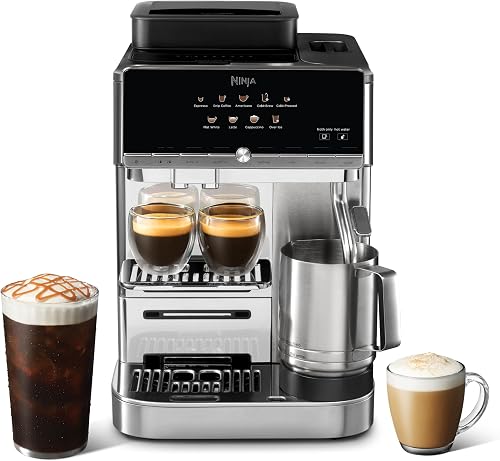
- 10 one-touch drink options
- Grind iQ selects from 50 grind settings
- Hot or iced microfoam
- Auto-rinse and removable parts
The AutoBarista suits people who want the machine to select a grind setting across several coffee styles. Its menu includes espresso, drip coffee and cold brew.
Pros
- Automatic grind selection
- Hot or iced dairy and plant-based foam
- Auto-rinse and self-drying interior fan
Cons
- Fewer presets than the Magnifica Duo
- 36.2-pound weight makes frequent moving awkward
The Ninja AutoBarista suits someone who wants several coffee styles without choosing a grind setting manually. Grind iQ selects among 50 settings, and the machine offers 10 one-touch options across espresso, drip coffee and cold brew.
Its frothing system handles hot or iced foam with dairy and plant-based milk. That makes it a relevant alternative for people who change both brewing style and milk temperature through the week.
Care features include auto-rinse, removable parts and a self-drying interior fan. Those help with routine upkeep, but removable assemblies still need the cleaning steps in the machine's instructions.
Choose the AutoBarista if automatic grind selection is a priority. At 36.2 pounds, it also deserves a permanent counter position; compare the best bean-to-cup coffee machines for home if you want to weigh other workflows.
How should you compare automatic espresso machines?
Start with your usual drink and the work around it, then compare controls. A machine earns its counter space by making your daily cup convenient, not by offering the longest menu.
| Product | Best for | Drink choices | Grinder | Milk system | Our score |
|---|---|---|---|---|---|
| De'Longhi Magnifica Evo | everyday milk drinks | 7 one-touch or customized recipes | Conical burr, 13 settings | Automatic LatteCrema | 9.2 |
| De'Longhi Magnifica Duo | mixed coffee households | 20 preset recipes | LatteCrema Hot and Cool | 9.1 | |
| Philips 3200 LatteGo | easy milk cleanup | 5 coffee varieties | 2 parts, no tubes | 8.8 | |
| Philips 5500 LatteGo | adventurous drinkers | 20 presets | 3-part LatteGo, no internal tubes | 8.7 | |
| Philips 3300 LatteGo | occasional iced coffee | 6 presets | 3-part LatteGo, no internal tubes | 8.4 | |
| De'Longhi Magnifica Start | occasional latte makers | Espresso, coffee and Americano | Conical burr, 13 settings | Manual frother | 8.1 |
| Philips 4400 LatteGo | two coffee drinkers | 12 presets | 3-part LatteGo, no internal tubes | 7.9 | |
| Philips 2200 Series | black coffee drinkers | Espresso, coffee and hot water | Classic manual frother | 7.8 | |
| De'Longhi Magnifica Plus | particular latte drinkers | 18 one-touch recipes | LatteCrema Hot, 3 froth settings | 7.6 | |
| Ninja AutoBarista | avoiding grind adjustments | 10 hot and iced options | Grind iQ, 50 settings | Hands-free frothing, hot or iced | 7.0 |
Which automatic espresso machine under 1000 fits your morning?
Choose a manual-frother machine if you mostly drink black coffee and only sometimes want milk. Choose automatic milk preparation if cappuccino or latte is your daily drink, especially when several people need one before leaving home.
Write down your three most common orders before comparing menus. Hot water counts differently from a coffee recipe, and a long preset list may contain drinks you never order.
Do you want iced coffee or cold brew?
Choose by the brewing method, not just the word “iced.” Coffee brewed hot for serving over ice differs from a drink made with cold extraction, so the two options shouldn't be treated as interchangeable.
For an over-ice drink, follow the recipe's guidance on ice and cup size. Simply pouring a large hot coffee over a few cubes can leave you with a warm, diluted drink.
Are profiles more useful than extra recipes?
Profiles matter most when people share a machine but prefer different cup sizes, strengths or milk amounts. Extra recipes matter when those people actually drink different styles of coffee.
A saved recipe also removes a source of inconsistency. If the cup changes, you can check the beans or care routine before wondering whether someone changed the controls.
Does automatic milk fit your preferred workflow?
Automatic milk preparation removes a separate frothing step, while a manual frother gives you a distinct milk task to manage. Neither choice removes the need to wash milk-contact parts promptly.
If you also want control over dosing and tamping, compare the super-automatic and semi-automatic workflows before buying. These picks are aimed at people who want the brewing steps handled for them.
What should you check before bringing a machine home?
Check working space, refill access and the cleaning route, not just whether the base fits. You'll need to remove parts, reach the bean hopper and carry water or waste without struggling around cabinets.
Measure the planned spot and leave clearance for opening lids and taking out removable assemblies. Include room in front for your usual cup and beside the machine for milk preparation or detached parts.
Think about where wet pieces will dry and where milk components will sit in the fridge. A convenient sink route can matter more in daily use than a small difference in the machine's outer size.
Choose the exact model by its milk system and controls, since similar family names can cover different workflows. Keep your budget firm and compare the full routine, including care supplies, rather than stretching for unused presets.
How do you set up an automatic espresso machine for better coffee?
Start with the water settings, a suitable bean and one familiar recipe. A steady starting point makes adjustments easier to understand than changing several controls with every cup.
Set water hardness before building recipes
Follow the setup sequence in the manual, including rinsing, water-hardness settings and filter preparation where required. Use water that meets the manufacturer's guidance rather than assuming any bottled or heavily treated water is suitable.
Hardness settings help the machine plan maintenance prompts. A filter is part of water care, while descaling addresses mineral buildup inside the water path.
Choose beans before chasing grinder settings
Start with fresh beans suited to the machine, and check the instructions before using oily or flavored beans. Our guide to coffee beans for a super-automatic machine explains that choice.
Keep only a practical amount in the hopper and store the rest sealed away from heat and light. Stale beans won't become fresh again through a finer grind or a higher strength setting.
Change one control at a time
Begin with a standard espresso or coffee recipe and note the size and strength you prefer. If a large drink tastes weak, reduce its volume or adjust strength before changing every setting.
For grinder changes, follow the manual's rules on when and how to move the dial. Make small changes and allow the machine's stated adjustment period before judging the result.
The De'Longhi Magnifica grind-setting guide gives a more focused starting point for that family. More grinder positions offer adjustment choices, but the highest setting count alone doesn't decide which cup you'll prefer.
What care does an automatic espresso machine need?
Expect milk cleaning, waste removal and scheduled internal care even when the machine has automatic rinsing. Those tasks address different kinds of residue, so one cleaning cycle won't replace all the others.
Clean milk parts after use
Follow the milk-system cleaning sequence promptly, then wash the required parts and let them dry. Use the dishwasher only for components approved for it, since removable doesn't always mean dishwasher-safe.
For a manual frother, follow the instructions for purging and cleaning it after milk preparation. Don't leave dried milk for the next morning, when it is harder to remove.
Empty waste and clean removable assemblies
Empty the grounds container and drip tray as directed, including after rinse cycles. Water in the tray isn't always wasted brewing water; automatic rinsing also has to drain somewhere.
Clean the brew group on the schedule and by the method for your model. Our guides to cleaning a Philips 3200 and cleaning a De'Longhi Magnifica explain those routines in more detail.
Treat filters and descaling as separate jobs
Philips says AquaClean can allow up to 5,000 cups without descaling when filters are replaced as prompted. That claim depends on following the filter routine and doesn't remove milk or brew-group cleaning.
Use the approved descaling method when the machine requires it. Don't substitute a household cleaner unless the instructions expressly allow it.
Which mistakes should you avoid with a bean-to-cup machine?
Avoid oversized recipes, neglected milk parts and constant adjustments. These habits can make a suitable machine seem disappointing even when its core workflow fits your needs.
Don't assume a larger coffee setting keeps the same balance as a shorter espresso. For a longer black drink, compare the machine's coffee or Americano recipe instead of only extending the espresso volume.
Don't judge a milk drink before adjusting the coffee-to-milk balance. Too much milk can hide the coffee, while a smaller milk portion may suit you without any grinder change.
Don't buy for occasional guests at the expense of your own morning routine. A long menu is useful only if its drinks justify the extra choices and care in your kitchen.
Which best automatic espresso machine under 1000 should you buy?
Pick the Evo for daily coffee and automatic milk drinks, the Duo for several brewing styles, or the 3200 for familiar hot drinks and simple milk cleanup. Those are the clearest starting choices for most routines.
Choose the Start or Philips 2200 if you mostly drink black coffee and accept manual frothing. For shared preferences, the 4400 suits two saved profiles, while the Magnifica Plus offers more detailed milk controls and household profiles.
Make your final choice around one normal morning: select the drink, prepare the milk, empty the waste and clean the parts. For a wider comparison after that shortlist, see the best super-automatic espresso machines.
Our top 3 picks at a glance
-
1
-
2
-
3
Frequently asked questions
What is the best automatic espresso machine under 1,000 dollars?
The De'Longhi Magnifica Evo is our top choice for everyday coffee and automatic milk drinks. Choose the Magnifica Duo if your household also wants drip coffee and cold brew, or Philips 3200 LatteGo if simple milk cleanup matters most; match the exact model and current cost to your budget before ordering.
Can an automatic espresso machine make iced coffee?
Yes, several machines here have dedicated iced recipes, but iced coffee and cold brew are different drinks. An over-ice recipe prepares coffee for serving with ice, while cold extraction uses a different brewing process; choose the Magnifica Duo or Ninja AutoBarista if cold brew is a priority.
Is an automatic milk frother easier to clean?
An automatic milk system reduces drink preparation work, but it still needs cleaning after use. Detachable parts and a tube-free design make access simpler; a manual frother also needs prompt wiping and cleaning, so choose based on both the milk-making steps and the care routine you will follow.
Should I choose a machine with more drink presets?
Choose more presets when they cover drinks you regularly make, especially if several people share the machine. For a single espresso or coffee routine, useful strength and volume controls matter more than a long menu; saved profiles can also be more useful than extra recipes in a shared kitchen.
What should I check before buying a bean-to-cup espresso machine?
Check your regular drinks, milk workflow, counter access and cleaning requirements first. Then compare useful controls and space for refilling or removing parts, rather than just the machine's outer measurements; our bean-to-cup machine guide explains how to match those choices to your daily routine.